The Art of Dilber Dudağı: Master the Royal Turkish Pastry
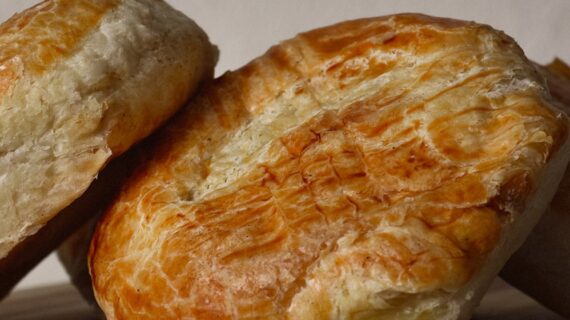
Dilber dudağı is a traditional Turkish syrupy pastry (şerbetli tatlı) celebrated for its distinct half-moon shape, which resembles plump lips. This aesthetic appearance gives the dessert its poetic name, which translates literally to “the lips of a beautiful woman” or “sweetheart’s lips.” Hailing from the historic palace cuisines of Bursa and Elazığ, it stands as a celebrated alternative to classic baklava. While it shares a similar profile of crispy, buttery, and syrup-soaked layers, its unique preparation method sets it apart and makes it a festive favorite during holidays like Eid and special family gatherings.
The secret behind its signature texture lies in the meticulous layering of a soft, elastic dough made from yogurt, eggs, oil, a touch of vinegar, and flour. The vinegar plays a crucial role by reacting with the baking powder, which helps the pastry puff up dramatically in the oven and ensures a brittle, melt-in-your-mouth crunch. Rather than rolling out dozens of paper-thin sheets individually as one would for baklava, the dough is divided into small portions, heavily dusted with cornstarch, stacked into groups, and then rolled out together into a single, multilayered sheet. This technique naturally creates a laminated dough structure with dozens of micro-layers.
Once the sheet is rolled out, a round pastry cutter or the rim of a drinking glass is used to cut out perfect circles. A generous spoonful of coarsely chopped walnuts, hazelnuts, or vibrant green pistachios is placed in the center of each circle. The dough is then gently folded over the filling to form a half-moon shape. The critical trick during assembly is to avoid pressing the asude düğün salonu curved edges together; leaving them unsealed allows the heat of the oven to push the layers outward, creating the characteristic “puffed lip” appearance. Before entering the oven, the pastries are drenched in clarified butter or melted ghee, which seeps deep into the crevices and ensures every single layer fries to a golden brown brilliance.
To guarantee success when baking dilber dudağı at home, follow this comprehensive, step-by-step master recipe:
Ingredients
For the Syrup (Şerbet):
- 3.5 cups granulated sugar
- 3.5 cups water
- 1 tablespoon fresh lemon juice
For the Laminated Dough:
- 1 cup plain yogurt (room temperature)
- 1 cup vegetable oil
- 2 large eggs
- 1 tablespoon white or apple cider vinegar
- 0.5 packet (approx. 5 grams) baking powder
- 1 pinch of salt
- 4.5 cups all-purpose flour (added gradually)
For Layering and Filling:
- 2 cups cornstarch (for rolling out the dough)
- 1.5 cups coarsely crushed walnuts or pistachios
- 100 grams unsalted butter (melted and skimmed)
Step-by-Step Preparation
Cooking the Syrup
Always prepare the syrup first, as it must be completely cool before meeting the hot pastry. Combine the water and granulated sugar in a medium saucepan. Bring the mixture to a boil over medium-high heat while stirring occasionally to ensure the sugar dissolves fully. Once it reaches a rolling boil, reduce the heat to low and let it simmer gently for 5 minutes. Stir in the fresh lemon juice, which prevents the sugar from crystallizing later. Continue simmering the syrup for an additional 15 minutes until it thickens slightly into a glossy, velvety consistency. Remove the saucepan from the heat source and set it aside to cool to room temperature.
Kneading and Resting the Dough
In a spacious mixing bowl, whisk together the room-temperature yogurt, vegetable oil, eggs, and vinegar until completely smooth. In a separate bowl, sift the flour, baking powder, and salt together. Gradually add the dry ingredients into the wet mixture, stirring with a wooden spoon until a shaggy dough begins to form. Transition to hand-kneading directly in the bowl or on a clean countertop. Knead the dough vigorously for about 5 to 7 minutes until it becomes exceptionally smooth, pliable, and non-sticky—aiming for a texture as soft as an earlobe. Divide the dough into 24 equal pieces and roll each one into a smooth ball (beze). Place the dough balls on a tray, cover them tightly with a damp cloth or plastic wrap to prevent a skin from forming, and allow them to rest undisturbed for 1 hour. This resting period relaxes the gluten network, making the dough incredibly easy to roll thin.